蒙陰長(zhǎng)毛兔換毛類(lèi)型包括哪些類(lèi)型以及換毛特點(diǎn)
 發(fā)布日期:2025-12-06
來(lái)源:http://www.whxfy.cn 發(fā)布人:創(chuàng)始人
發(fā)布日期:2025-12-06
來(lái)源:http://www.whxfy.cn 發(fā)布人:創(chuàng)始人
由于季節(jié)、年齡、營(yíng)養(yǎng)、疾病等原因,兔毛會(huì)脫落,在原來(lái)的地方長(zhǎng)出新毛。這個(gè)過(guò)程稱(chēng)為換羽。我們來(lái)看看兔子換毛的類(lèi)型以及它們的特點(diǎn)是什么。
Due to factors such as season, age, nutrition, and disease, rabbit hair may shed and grow new hair in its original location. This process is called molting. Let's take a look at the types of rabbit hair changing and their characteristics.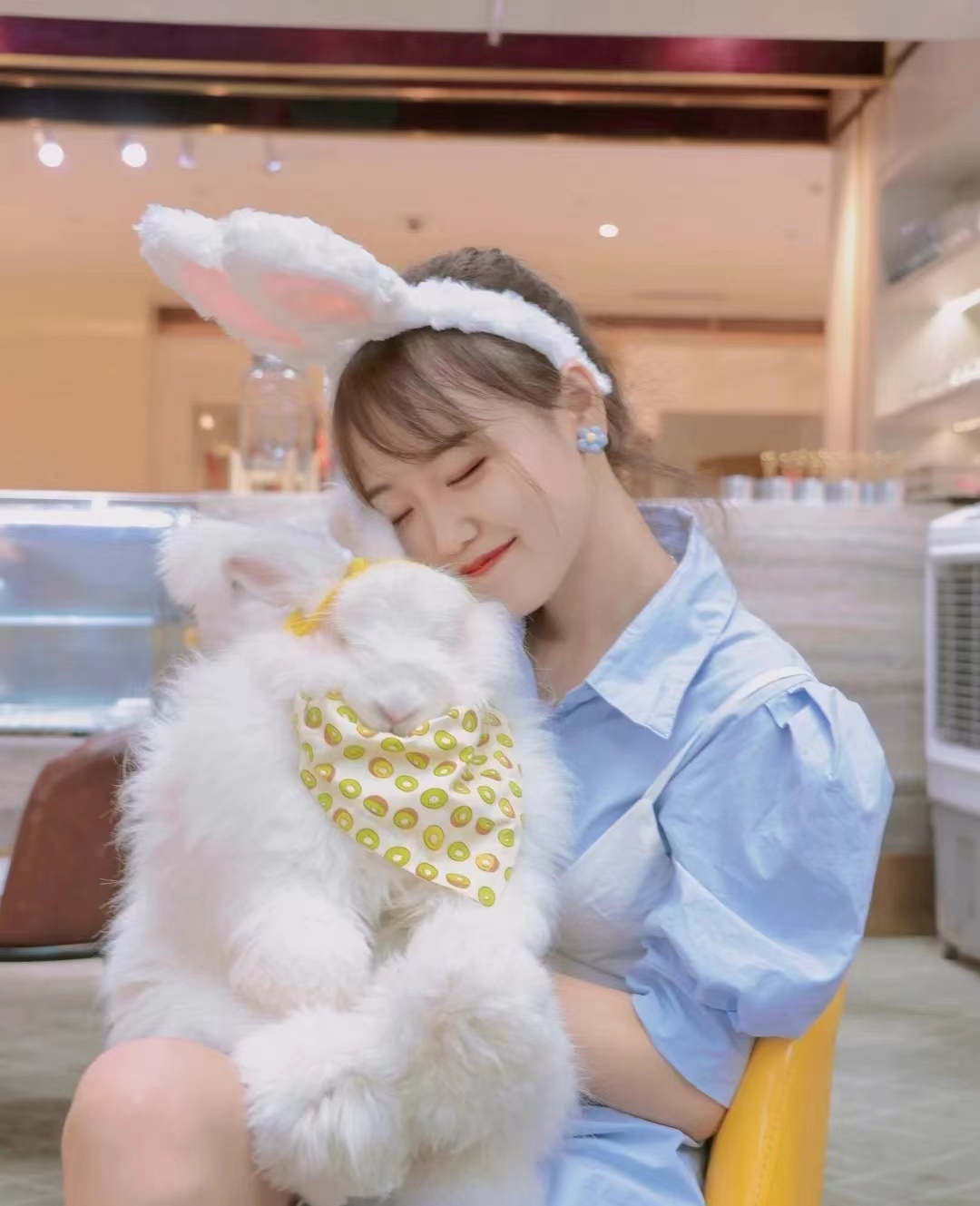
一、年齡性換毛
1、 Age-related hair replacement
這是蒙陰長(zhǎng)毛兔在不同生長(zhǎng)發(fā)育時(shí)期的正常換毛。蒙陰長(zhǎng)毛兔在一生中會(huì)經(jīng)歷兩次與年齡相關(guān)的換毛。次蛻皮發(fā)生在30100日齡之間,第二次蛻皮發(fā)生在130180日齡之間。
This is the normal molting of Mongolian long haired rabbits at different stages of growth and development. The Mongolian long haired rabbit will undergo two age-related molts in its lifetime. The first molting occurs between 30 and 100 days of age, and the second molting occurs between 130 and 180 days of age.
二、季節(jié)性換毛
2、 Seasonal molting
蒙陰長(zhǎng)毛兔進(jìn)入成年后,每年春季和秋季換毛兩次。春季換毛發(fā)生在3-4月,秋季換毛發(fā)生在9-10月。這種季節(jié)性換羽與光照、溫度、營(yíng)養(yǎng)、遺傳等因素有關(guān)。
After reaching adulthood, the Mongolian long haired rabbit changes its fur twice a year in spring and autumn. Spring molting occurs from March to April, while autumn molting occurs from September to October. This seasonal molting is related to factors such as light, temperature, nutrition, and genetics.
春季,光照由短日照過(guò)渡到長(zhǎng)日照,氣溫由冷暖轉(zhuǎn)為炎熱夏季,飼料中的干草逐漸被青飼料取代,因此皮毛生長(zhǎng)較快,換羽期較短;
In spring, the sunlight transitions from short days to long days, and the temperature changes from cold and warm to hot. In summer, the dry hay in the feed is gradually replaced by green feed, resulting in faster fur growth and shorter molting period;
秋季,由于由長(zhǎng)日照向短日照過(guò)渡,氣溫由冷熱轉(zhuǎn)涼,青飼料逐漸變粗變老,皮膚毛囊的代謝功能減弱,因此被毛生長(zhǎng)緩慢,毛色變差。換羽時(shí)間延長(zhǎng)。
In autumn, due to the transition from long day to short day, the temperature changes from hot to cold, and the green feed gradually becomes thicker and older. The metabolic function of the skin hair follicles weakens, resulting in slow hair growth and poorer hair color. The molting time is extended.
這種季節(jié)性換毛也是兔子對(duì)炎熱夏季和寒冷季節(jié)的本能適應(yīng),為自己創(chuàng)造合適的生活條件,并一代一代地傳承下去。
This seasonal molting is also an instinctive adaptation of rabbits to hot and cold seasons, creating suitable living conditions for themselves and passing them down from generation to generation.
三、不定期換毛
3、 Irregular hair replacement
這種脫毛在兔子身上并不明顯。主要取決于毛球的生理狀態(tài)和營(yíng)養(yǎng)狀況。當(dāng)個(gè)別毛發(fā)纖維的生長(zhǎng)受阻時(shí)就會(huì)發(fā)生這種情況。這種蛻皮現(xiàn)象不受季節(jié)影響,一年四季任何時(shí)候都可能發(fā)生。一般來(lái)說(shuō),這種現(xiàn)象在老年兔中比在幼兔中更為明顯。
This kind of hair removal is not obvious on rabbits. It mainly depends on the physiological and nutritional status of the hairball. This situation occurs when the growth of individual hair fibers is obstructed. This molting phenomenon is not affected by seasons and can occur at any time of the year. Generally speaking, this phenomenon is more pronounced in elderly rabbits than in young rabbits.
四、病理性換毛
4、 Pathological hair loss
當(dāng)蒙陰長(zhǎng)毛兔患有某些疾病,或長(zhǎng)期營(yíng)養(yǎng)不良導(dǎo)致代謝紊亂,或出現(xiàn)皮膚營(yíng)養(yǎng)不良時(shí),出現(xiàn)全身或部分脫毛。例如,由于某種原因采食量持續(xù)減少,或者突然出現(xiàn)非季節(jié)性高燒或其他壓力,都可能導(dǎo)致脫發(fā)。據(jù)悉,給幼兔喂食過(guò)多的食物,容易導(dǎo)致過(guò)早脫毛。
When the Mongolian long haired rabbit suffers from certain diseases, long-term malnutrition leading to metabolic disorders, or skin malnutrition, it may experience complete or partial hair loss. For example, a sustained decrease in food intake for some reason, or sudden onset of non seasonal high fever or other stress, can all lead to hair loss. It is reported that feeding too much food to young rabbits can easily lead to premature hair loss.
本文由 蒙陰長(zhǎng)毛兔 友情奉獻(xiàn).更多有關(guān)的知識(shí)請(qǐng)點(diǎn)擊 http://www.whxfy.cn/ 真誠(chéng)的態(tài)度.為您提供為的服務(wù).更多有關(guān)的知識(shí)我們將會(huì)陸續(xù)向大家奉獻(xiàn).敬請(qǐng)期待.
This article is a friendly contribution from Long haired Rabbit For more related knowledge, please click http://www.whxfy.cn/ Sincere attitude To provide you with comprehensive services We will gradually contribute more relevant knowledge to everyone Coming soon.